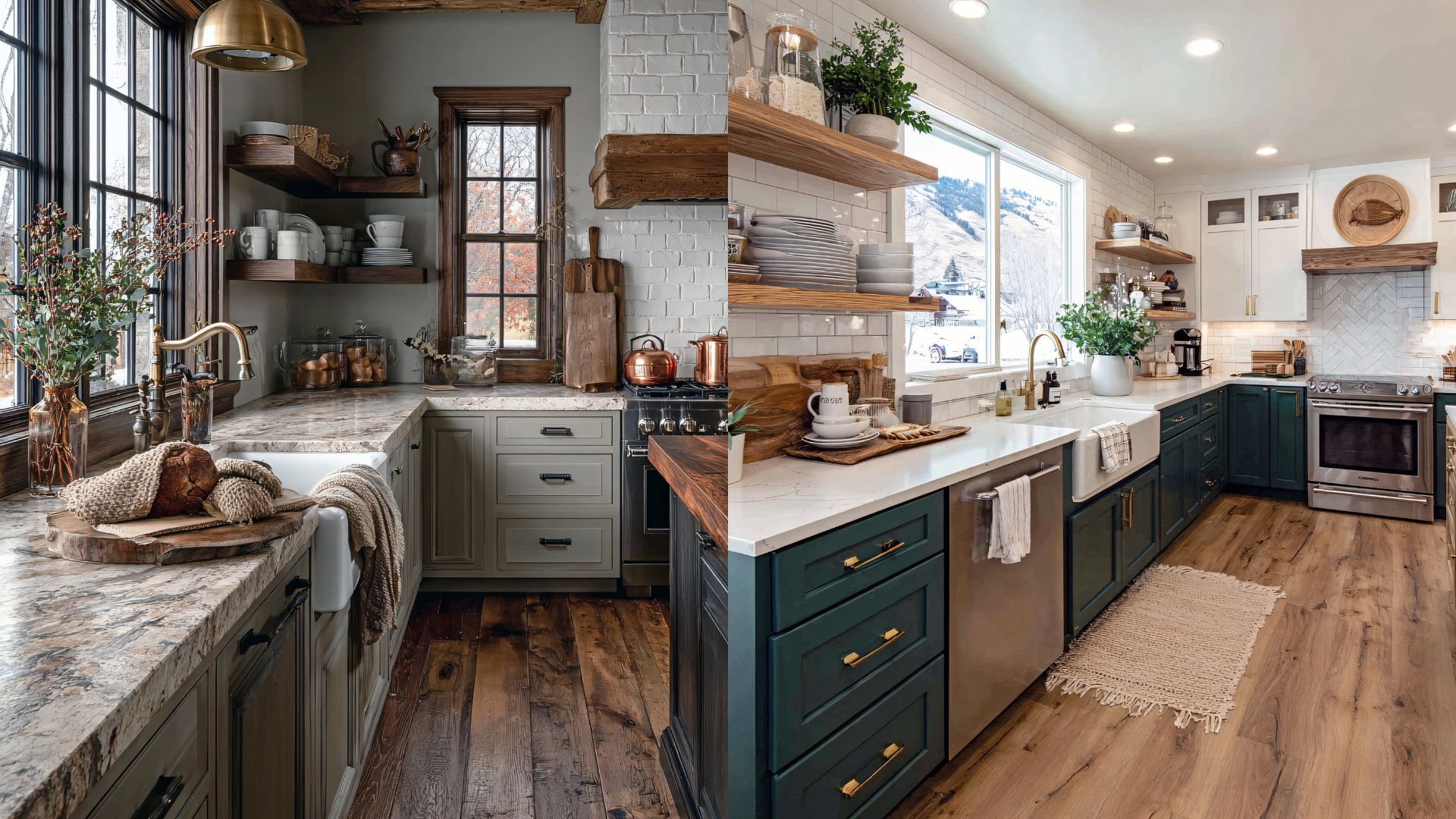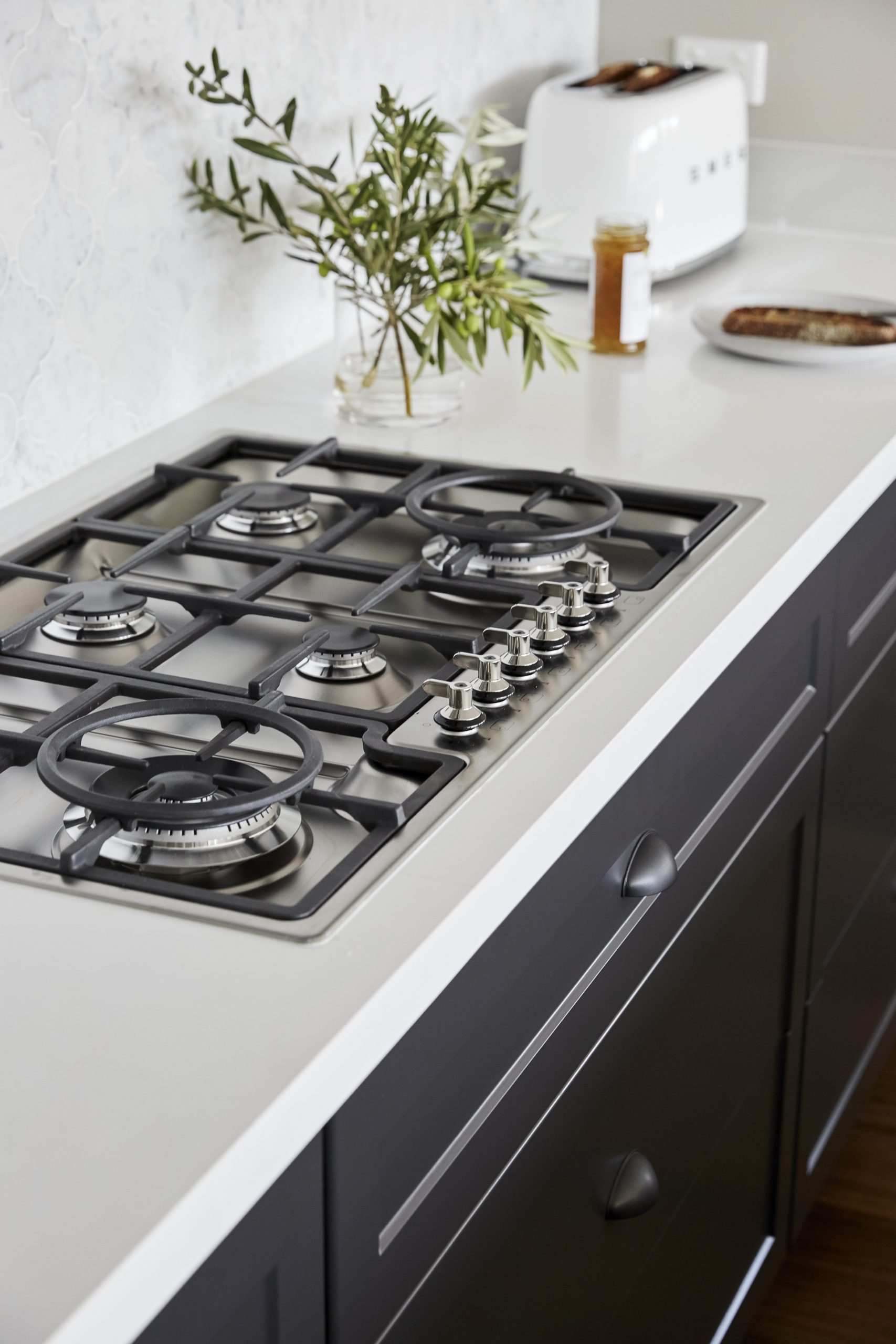
Quartz has taken over modern kitchens because it’s clean, consistent, and basically refuses to be a problem. It’s engineered to look good and stay that way with minimal effort. But it’s not flawless, and it definitely isn’t the “natural stone” crowd’s favourite.
The Pros of Quartz
It’s engineered for consistency.
Quartz is man-made, so the surface is perfectly smooth and the pattern is predictable. No surprise swirls, no random blotches, no “why does this slab look different than the sample” heartbreak.
Low maintenance, easy living.
Quartz is easy to clean and never needs sealing. Wipe it down and move on with your life.
Non-porous and more hygienic.
Because it’s engineered and non-porous, it doesn’t absorb liquids and it’s less likely to harbour bacteria. It’s one of the most sanitary countertop choices out there.
Strong and reliable during install.
Quartz is tough. It’s less likely to break during installation compared to many natural stones, and it chips infrequently under normal use.
Scratch and stain resistant.
Quartz resists scratches and stains really well, though it’s not indestructible. You can still scuff it with rough materials or stain it if you leave certain messes sitting too long.
It’s trendy for a reason.
Quartz is popular right now because design is leaning hard into whites, neutrals, and clean lines. If you want that modern or contemporary look, quartz makes it easy.
The Cons of Quartz
It usually costs more than granite.
Quartz is generally more expensive. You can sometimes get high-end, exotic granite for the same price as entry-level quartz, which feels slightly insulting.
Natural stone still wins on “real” beauty.
Even with fancy manufacturing, quartz doesn’t always capture the depth and natural veining you get in granite. Some patterns look amazing, others look… printed.
Smaller slabs can mean more seams.
Quartz slabs are typically smaller than granite. Many are around 56” high, and jumbo slabs can go up to 65”. Depending on your layout, that can mean more seams and can limit how large your island can be in one clean run.
Not for outdoors.
Quartz isn’t a great choice for outdoor kitchens or BBQ areas because long-term sun exposure can fade or discolour the surface.
Every slab looks the same.
This is either a flex or a dealbreaker. Quartz is consistent, but that also means your slab won’t be unique. If you want something one-of-a-kind, quartz isn’t trying to be that.
Bottom Line
Quartz is perfect if you want a clean, modern look with low maintenance and strong day-to-day performance. You’re paying extra for consistency, hygiene, and convenience. If you want natural uniqueness, dramatic movement, or an outdoor surface, quartz is the wrong hill to die on.